When Should My Child Start Learning to Read Arabic?
Discover the 'golden age' for teaching children to read Arabic and learn the signs that show your child is ready to begin their journey with the Quranic language.
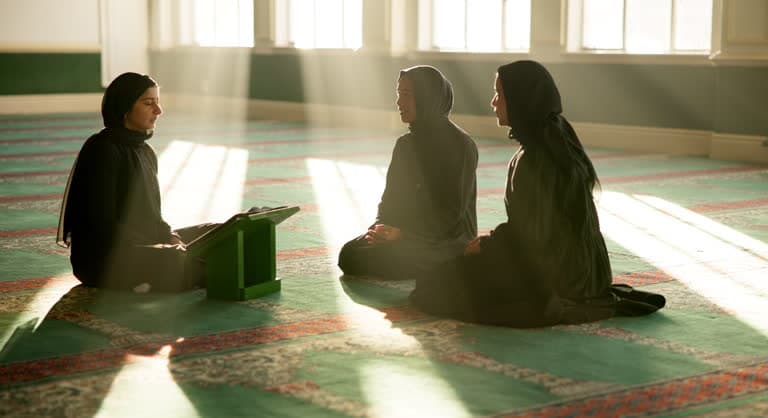
"When should I start teaching my child to read Arabic?" This is one of the most common questions we hear from parents. We all want to give our children the gift of the Quran, but we worry about starting too early or too late. Is there a 'magic' age?
While there's no single answer for every child, there is a general consensus on the 'golden age' for learning to read, and clear signs to look for that tell you your child is ready.
أهم النقاط
- The Golden Age: Generally, between 4 and 7 years old is the ideal time to start formal reading instruction.
- Readiness is Key: Focus on signs of readiness, not just the child's age.
- Make it Fun: The goal is to foster love, not pressure. Keep initial sessions short and playful.
- Patience is Everything: Every child learns at their own pace. Celebrate effort, not just perfection.
The "Golden Age" for Learning to Read
Most educational experts agree that the period between 4 and 7 years old is a prime time for developing literacy skills. During these years, a child's brain is rapidly developing language pathways. They are naturally curious, their memory is absorbent, and they can grasp abstract concepts like letters and sounds more easily.
- Ages 4-5: This is a great time to introduce letters in a playful way. Think alphabet blocks, songs, and pointing out letters in their environment. The focus is on familiarity and fun, not mastery.
- Ages 5-7: Most children are ready for more structured learning, like the systematic approach of the Rashidi method. They can sit for short periods and have the fine motor skills to begin tracing or writing.
Signs Your Child is Ready (Don't Just Watch the Calendar!)
Age is just a number. The most important factor is your child's individual development. Look for these signs of readiness:
- Interest in Books and Stories: Do they enjoy being read to? Do they pretend to read or ask questions about the pictures and words?
- Basic Language Skills: Can they speak in clear sentences and understand simple instructions? This shows their language processing is developing well.
- Letter Recognition: Do they recognize some letters, perhaps from their own name? This indicates an emerging awareness of print.
- Ability to Focus: Can they sit and concentrate on a quiet activity (like a puzzle or drawing) for 5-10 minutes?
- Curiosity about Arabic: If they hear you reciting Quran, do they ask questions or show curiosity?
If you see a few of these signs, your child is likely ready to begin their journey, regardless of whether they are 4, 5, or 6.
What If You Missed the "Golden Age"?
Don't worry! It's never too late. While starting young has its advantages, older children (8+) and even adults can absolutely learn to read Arabic proficiently. The approach may need to be adjusted—older learners might be more analytical and can handle longer sessions—but the potential for success is always there.
The most important ingredient at any age is motivation and consistent, positive reinforcement.
هل أنتِ مستعدة للخطوة التالية؟
دورة نهج هي الخطوة الأولى نحو قراءة سليمة ومتقنة، وثقة أكبر في التعامل مع اللغة العربية والقرآن الكريم.
The journey of reading Arabic is a marathon, not a sprint. By starting when your child is ready and keeping the experience joyful and encouraging, you are not just teaching them a skill; you are opening the door to a lifelong relationship with the Book of Allah.