How to Teach Surah Al-Fatihah to a Beginner Child (Step-by-Step)
A simple, patient, and effective step-by-step guide for parents to teach their young children Surah Al-Fatihah, focusing on love and understanding before memorization.
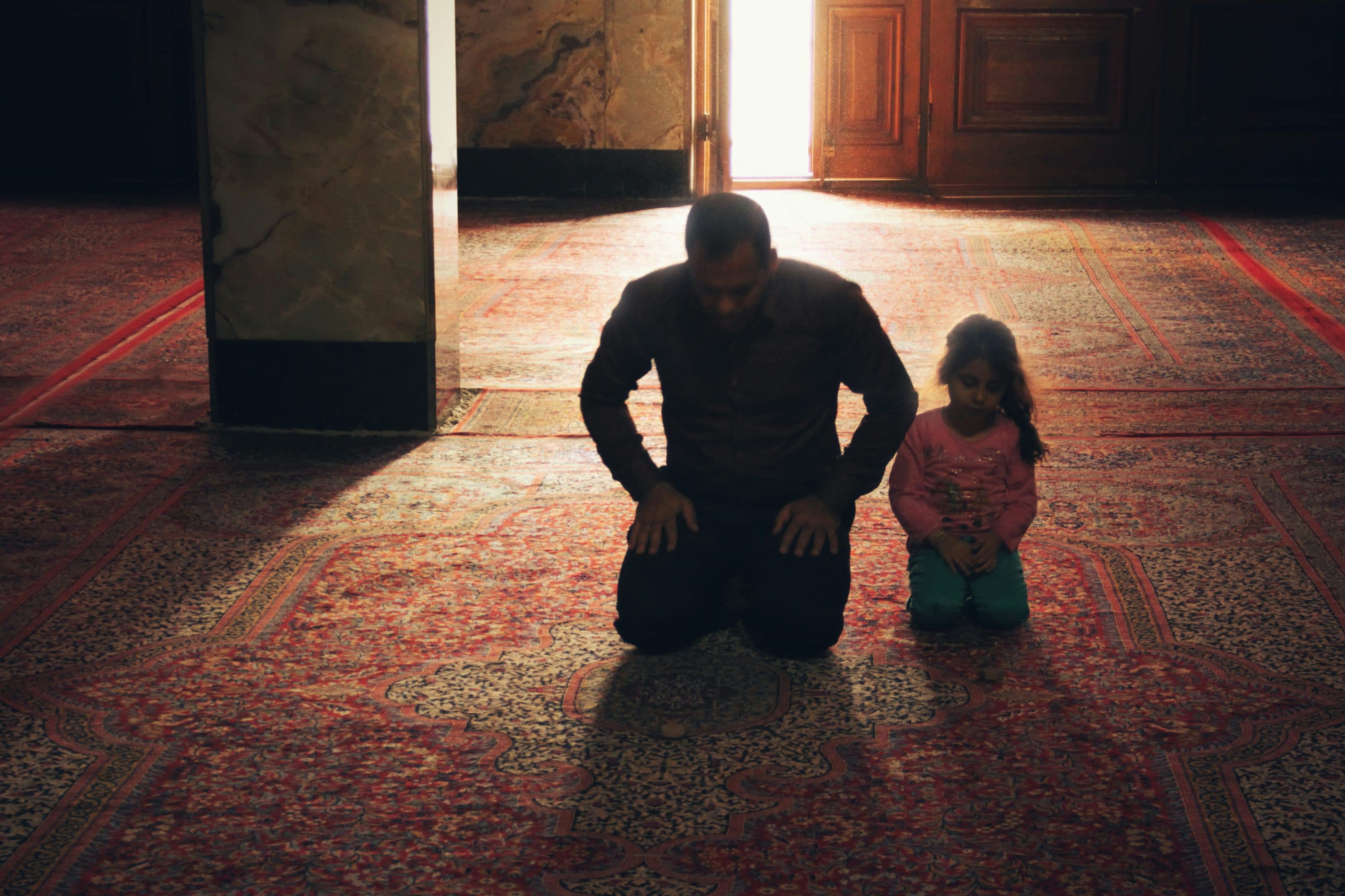
Teaching your child Surah Al-Fatihah is a monumental step in their spiritual life. It is the key to their Salah (prayer) and their direct conversation with Allah. But for a young child, memorizing seven verses can seem like a huge mountain to climb.
If we approach it with patience, love, and a focus on meaning, we can make this journey a beautiful and successful one, insha'Allah. The key is to use the method of Talqeen (oral prompting) and to break it down into tiny, manageable pieces.
أهم النقاط
- Focus on Meaning First: Before even starting, talk about what Al-Fatihah means. It's our special way of talking to Allah.
- One Verse at a Time: Don't move to the next verse until the previous one is mastered.
- The "I Say, You Say" Method: This (Talqeen) is the most effective technique.
- Lots of Repetition, Lots of Praise: Repeat the verse multiple times in a session and celebrate every successful attempt.
- Integrate it into Prayer: As soon as they learn a verse, have them recite it in prayer with you.
Before You Begin: Plant the Seed of Love
Spend a day or two just talking about Al-Fatihah.
- "Did you know there is a special surah that Allah wants us to say every time we talk to Him in prayer?"
- "It's called 'The Opening' because it opens our conversation with Allah."
- "Let's listen to how beautiful it sounds." Play a recitation by a reciter your child loves.
This builds a sense of importance and desire before the work of memorization even begins.
The Step-by-Step "Talqeen" Method
Rule #1: Short sessions. Aim for 5-10 minutes. A child's focus is short. Keep it positive and end before they get tired or frustrated.
Step 1: The Basmalah
- You say: "Bismillah al-Rahman al-Rahim."
- Child repeats.
- Do this 5-10 times. If they are struggling, break it down further: "Bismillah." (they repeat). "al-Rahman." (they repeat). Then put it together.
Step 2: Verse 2 - "Al-hamdu lillahi Rabb il-'alamin"
- Do not start this until the Basmalah is solid.
- You say: "Al-hamdu lillah."
- Child repeats (x5).
- You say: "Rabb il-'alamin."
- Child repeats (x5).
- You say the full verse: "Al-hamdu lillahi Rabb il-'alamin."
- Child repeats (x5).
- Now, connect it to the beginning: "Bismillah... Al-hamdu lillahi Rabb il-'alamin."
- Child repeats (x5).
Step 3: Verse 3 - "Ar-Rahman ir-Rahim"
- Only after Step 2 is mastered!
- This verse is easier because they learned the words in the Basmalah.
- Follow the same pattern: "Ar-Rahman." (repeat), "ir-Rahim." (repeat), then the full verse, then connect it all from the beginning.
The Golden Rule: Always review from the beginning of the Surah before adding a new part.
Step 4 and Beyond
Continue this pattern for the rest of the Surah:
- Introduce one new verse (or even half a verse for longer ones like Verse 7).
- Break the verse into small, easy-to-pronounce chunks.
- Use the "I say, you say" method for each chunk.
- Combine the chunks to form the full verse.
- Finally, recite everything from the Basmalah up to the new verse.
Making it Stick
- Constant, Gentle Exposure: Play Al-Fatihah in the car, while they are playing quietly, or before bed. The more they hear it, the easier it will be to recall.
- Use it in Salah Immediately: When you pray your sunnah prayers at home, have your child stand beside you. When you recite Al-Fatihah, say it aloud, and have them repeat after you, verse by verse. This gives the memorization an immediate, practical purpose. It's no longer just a "lesson"; it's a real conversation with Allah.
هل أنتِ مستعدة للخطوة التالية؟
دورة نهج هي الخطوة الأولى نحو قراءة سليمة ومتقنة، وثقة أكبر في التعامل مع اللغة العربية والقرآن الكريم.
Teaching Al-Fatihah is a journey of patience. There will be days they forget what they learned yesterday. That's normal. Just smile, go back a step, and review with love. The true goal is not just to